Welcome To One of Portugal’s Great Property Mysteries
Why is it so hard to find out who owns abandoned property in Portugal?
Portugal Horizon • 3 min read
Portugal is full of abandoned-looking houses, ruins and empty plots of land. The hard part is not always finding them... it's finding out who owns them. If you have ever found yourself wondering who owns abandoned property in Portgual, you're not alone. It's not impossible but it is rarely as simple as pointing to a building and asking, "Is this for sale?"
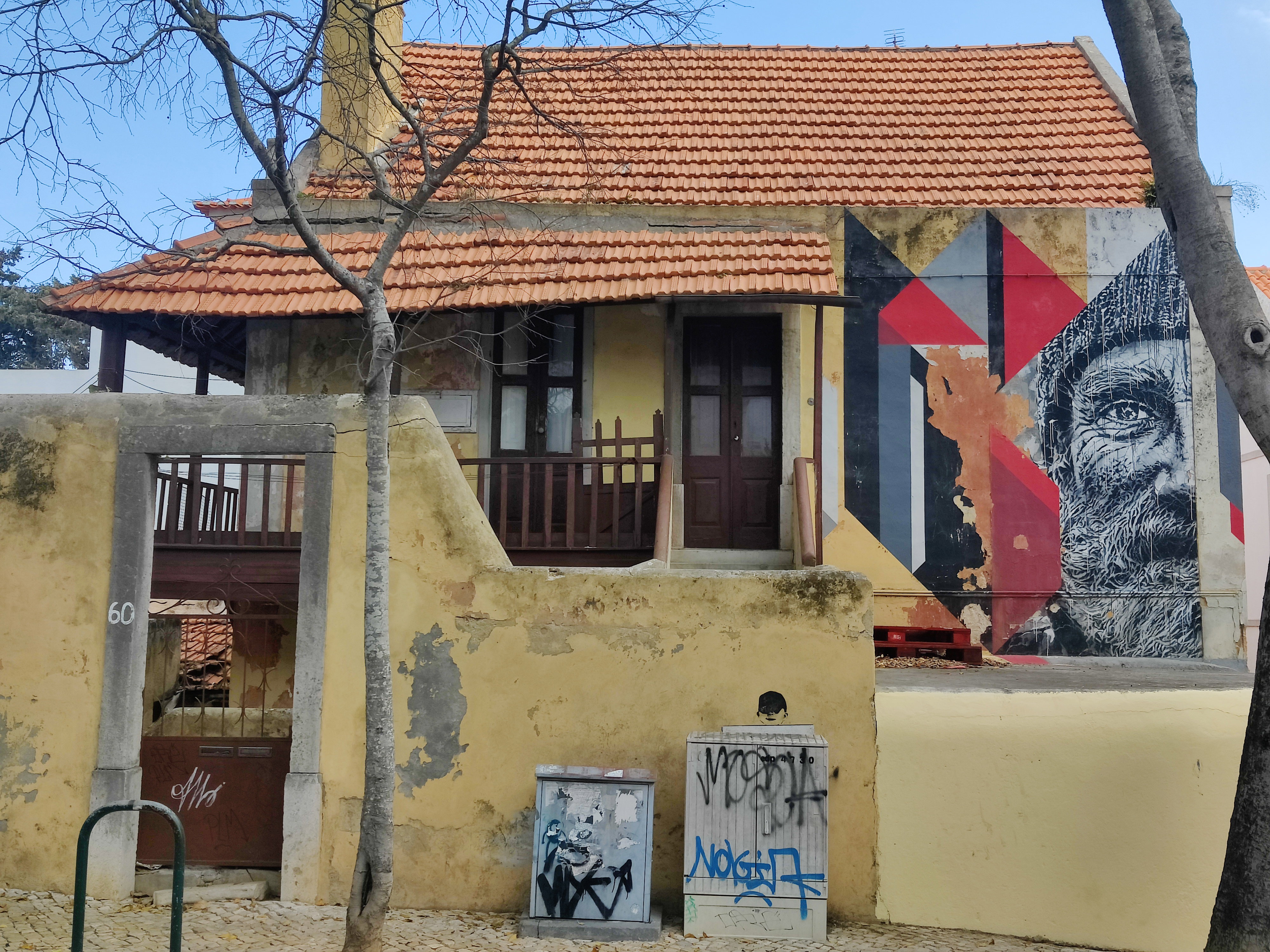
Why Abandoned doesn't mean available
One of the biggest misconceptions is that abandoned means available. It doesn't. A property can look completely forgotten but still have an owner. A field of weeds can belong to someone. A ruin can be tied up in an inheritance - sometimes split across dozens of heirs or claimed by family members who emigrated generations ago and are now impossible to trace. An empty apartment can be part of a family dispute, a tax issue, or simply owned by someone who has no interest in selling.
The paperwork side can also be tricky
It’s not usually as simple as visiting the land registry office and asking, “Who owns that abandoned house near the old fig tree?"
Finding the Record, Not Just the Property
If you are trying to find a property owner in Portugal, a good starting point is the land registry certificate ~ the Certidão Permanente can show who the registered owner is. BUT the challenge is requesting the right record. You need to identify the property perfectly correctly: the parish, registry description number, article number, or even fraction details. And this is often where the search gets stuck.
Even with title deeds in hand, it can be harder than it sounds.
The online system doesn't show you the address linked to the number you enter ~you type in what you think is correct, submit the request, and only find out days later when the certificate arrives by email whether you got it right.
And that is when you already own to identify the correct record for a ruin you spotted!
So the problem is not always that the information is completely hidden. It's that you first have to match the physical property in front of you with the legal record. And with old ruins, land, inherited properties, or buildings without obvious numbers, it can be much harder than people expect.
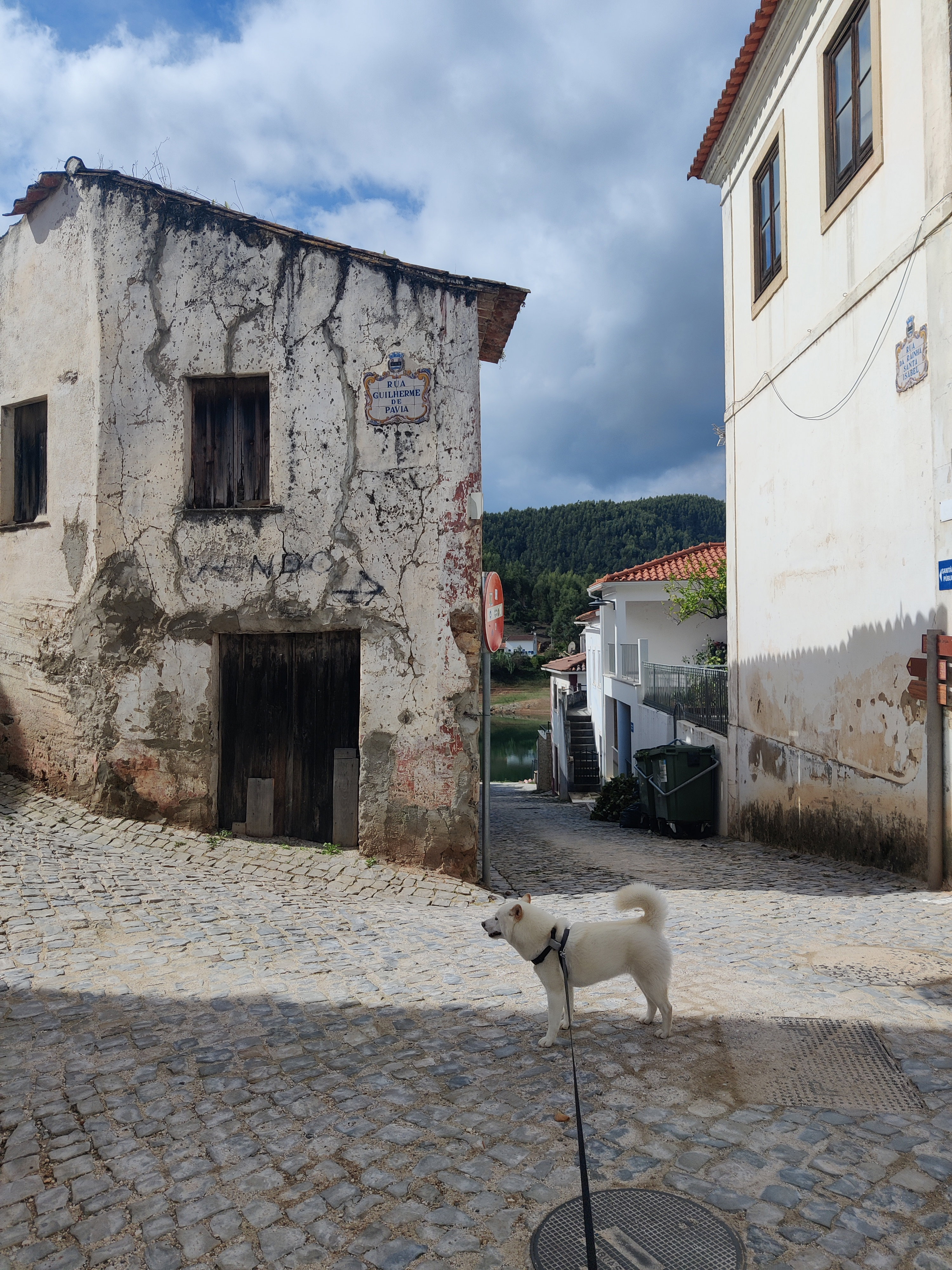
The Inheritance Puzzles
A property may not belong to one person. It may belong to several siblings, cousins or heirs living abroad, some in disagreement and some who haven't updated the paperwork in decades.
So when someone asks "Is the house for sale?" the real answer might be:
"Possibly, but only if twelve people agree, three documents are found, and the cousin in Luxembourg replies to WhatsApp."
This is why properties can sit for years. Not because nobody wants them. Not because nobody owns them. But because moving them forward is complicated.
It Depends
Portugal is full of properties with potential. Beautiful ruins, empty houses, forgotten gardens, overgrown land and old apartments waiting for a second life.
But potential is not the same as availability. Before falling in love with a property, it's worth asking:
Can the owner be identified?
Is the property properly registered?
Are there multiple heirs?
Are the boundaries clear?
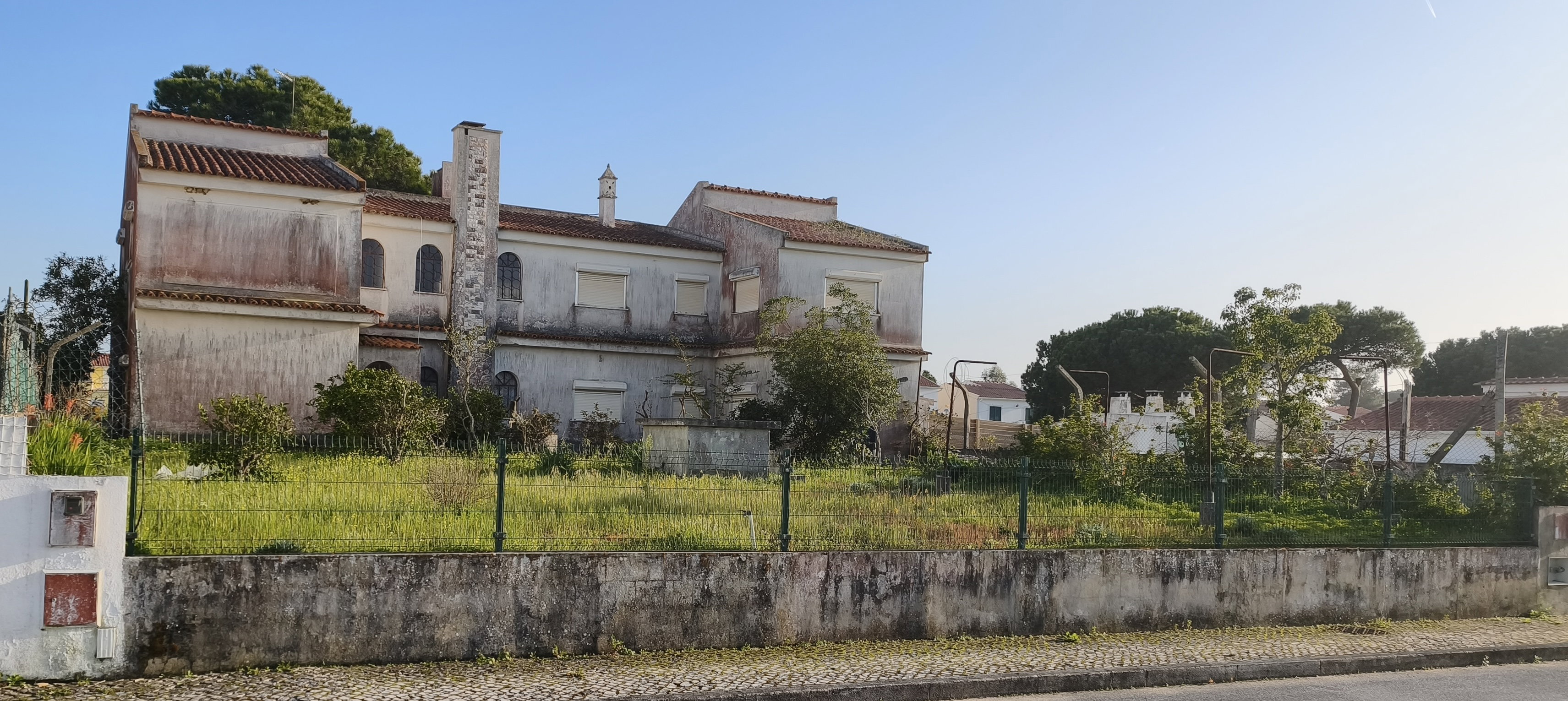
The dream ruin might still be a wonderful opportunity. Or it might be a full-time administrative hoppy with a roofless stone wall at the end of it.
Because in Portugal, the answer to the "Who owns this?" is often:
Depende
And then the detective work begins.