Choosing Where to Live in Portugal: Questions That Actually Matter
When people ask me where they should live in Portugal, I’ve become increasingly suspicious of the obvious questions.
How far is it from Lisbon? What are property prices like?
Is there a beach? Are there good schools? Is it safe?
They’re not bad questions.
In fact, they’re probably where most of us start. The problem is that you can answer every one of them and still know surprisingly little about what your life there will actually be like.
I know this because there are questions I never thought to ask when I was choosing where to live. I didn’t ask how far I would have to drive for a decent choice of supermarkets. Or whether I could get home from dinner without somebody staying sober. Or how easy it would be to see a specialist doctor.
I certainly didn’t investigate the local supply of Thai food.
I didn’t think about pavements, municipal swimming pools, dog-walking routes, winter wind, Uber availability or whether the lovely nearby beach involved carrying everything across half a kilometre of sand.
None of these things would necessarily have changed my decision. But they might have made it a much more informed one.
Because choosing where to live isn’t really about finding the best place in Portugal. I’m increasingly convinced there is no such thing. It’s about choosing the collection of compromises that happens to work for you.
I’ve written before about how I picked the wrong place to live in Portugal and I’m not sorry. That experience probably changed the way I think about location more than any property search ever could.
A place doesn’t have to win on every measure. It just has to win on the things that matter to you.
My Speed Dating Portugal guide is useful for narrowing down the country. North or south. City or countryside. Atlantic or inland. Lisbon orbit or Algarve. It gets you to the point where a few places start catching your eye.
This is what I think you should ask next.
Where would you actually go when something goes wrong?
This has crept steadily higher up my list.
Not: Is there a hospital nearby? That question is almost too broad to be useful.
I want to know what kind of hospital it is. Is there an emergency department? What specialists work there?
Where would I have an MRI? What about a CT scan? Is there a decent private hospital nearby, or is the private facility I found on Google actually a collection of consulting rooms? And if something is slightly more complicated, where do people really go?
Because healthcare exists in layers.
There may be a local health centre, a public hospital 20 minutes away, a private clinic ten minutes away and the specialist you actually need 50 minutes away in Lisbon.
Those are four very different definitions of “good access to healthcare”.
This matters even if you have private insurance.
One of the things I’ve learned about Portuguese private healthcare is that an insurer having an agreement with a hospital group does not necessarily mean that every doctor, examination or procedure fits neatly into that agreement. Sometimes the appointment available under your insurance is not the appointment available if you are paying privately.
And there is another question I would add now: where is the nearest public hospital?
Even if you normally use private healthcare, an ambulance is not necessarily going to take you to the private hospital you use by choice. In an emergency, you are taken to the hospital the emergency system considers appropriate, which will usually mean the public emergency network. So I wouldn’t assess a location by its private healthcare options alone. I’d want to know where the nearest proper public emergency department is too, and how long it would realistically take to get there.
Private insurance may shape most of your planned healthcare. It doesn’t necessarily decide where you go when someone calls 112.
I went into considerably more detail on that particular rabbit hole in I Didn’t Read the Fine Print on Portuguese Healthcare. So Read Mine.
For location hunting, though, my question is simpler: If something fairly ordinary but important happened next week, how complicated would healthcare become?
At 30, this might barely register.
At 45, with a husband, dogs and an increasingly impressive collection of appointments between us, I look at it rather differently.
“Lots of restaurants” tells me almost nothing
I love Portuguese food.
I do not want to eat Portuguese food every time I go out.
These two statements can coexist peacefully.
So when someone tells me a town has “loads of restaurants”, I now want to know what kind.
Is there Indian food? Thai? Japanese? Ramen? A decent Italian restaurant? Somewhere casual where you can wander in on a Wednesday? Somewhere nice enough for a birthday? Somewhere that delivers?
Are there places open all year or does half the town put the chairs away once summer ends? This is something I notice living around Sesimbra. Sesimbra has a lot of restaurants. Particularly if you enjoy fish and seafood, you are unlikely to starve.
But restaurant quantity and restaurant variety are not quite the same thing. Drive into Setúbal and the everyday food landscape changes. There is simply more of the sort of variety that comes with a larger working city. That doesn’t make Setúbal better than Sesimbra. If your idea of happiness is grilled fish by the sea, Sesimbra may already have won.
If, like me, you occasionally develop an unreasonable need for Thai food, you may assess the situation differently.That is exactly the point.
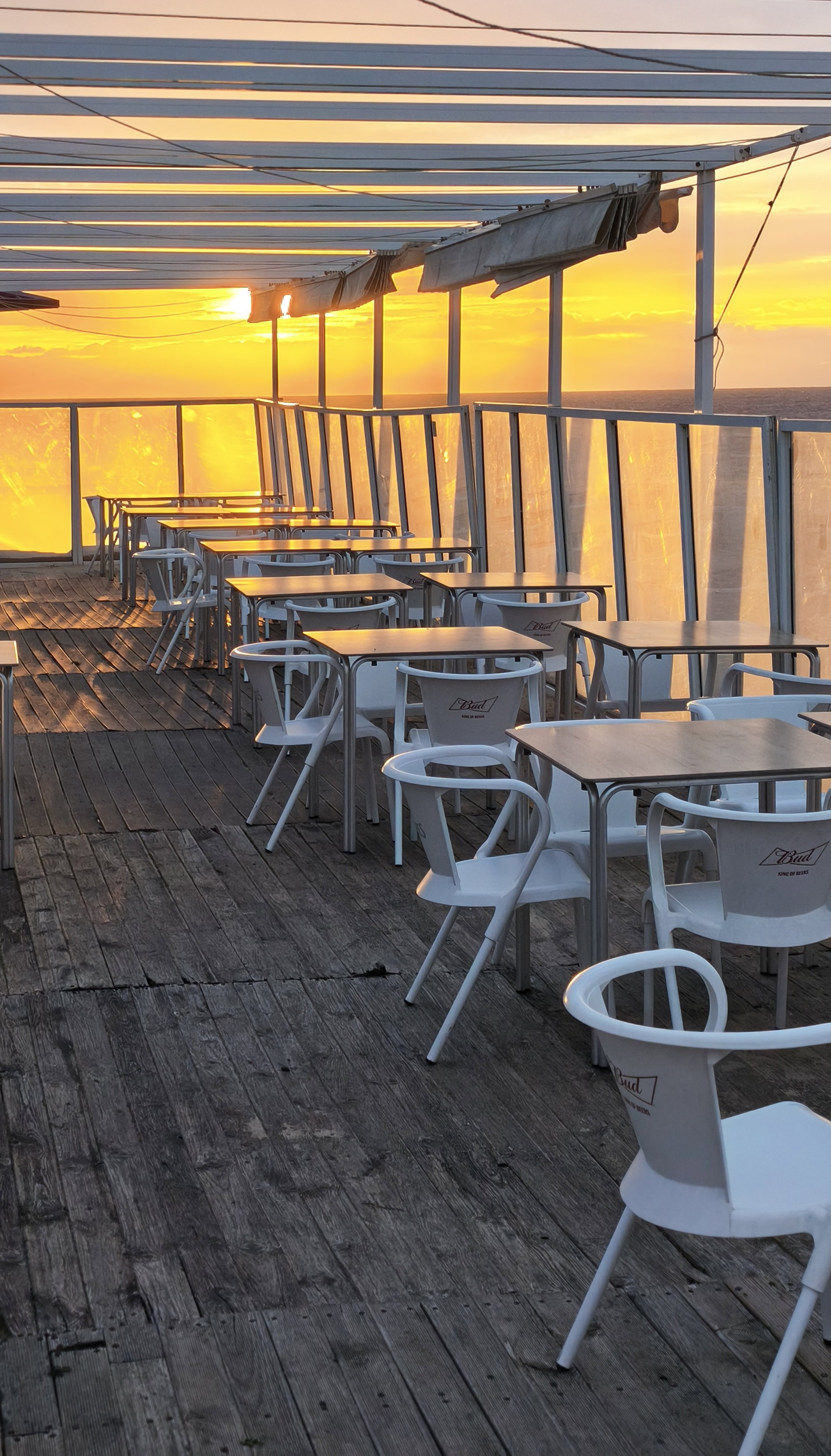
Restaurant quantity is not the same thing as restaurant variety.
And while we’re talking about food: what does grocery shopping actually involve?
“There’s a supermarket nearby.”
Another sentence I no longer accept without cross-examination.
Which supermarket? How big? What else is there?
And even the name above the door doesn’t tell you everything. Not all Continentes are created equal. Not all Pingo Doces are the same. One branch can have a brilliant fresh section, a decent international aisle and everything you normally buy. Another branch of exactly the same chain can somehow feel like it stocks six yoghurts and despair.
So I’d now look at the actual supermarket, not just the logo on Google Maps. How big is it? What does it stock? Is there a proper butcher or fish counter? Does it carry the things you buy regularly? Because “there’s a Continente nearby” can mean very different things.
One small supermarket covering the basics is very different from being ten minutes from Lidl, Aldi, Continente, Pingo Doce, a good butcher, a market and somewhere that stocks ingredients from outside Portugal. Competition matters. Choice matters.
And convenience matters more than I thought it would.
Where I live, around Lagoa de Albufeira, space and nature are part of the bargain. I like that bargain.
The other side of it is that useful errands generally involve the car. That is not a complaint about rural or semi-rural living. It is simply something I would now put explicitly on the scales. Some people would happily drive 20 minutes to buy groceries in exchange for a garden, quiet roads and more space.
Someone else would rather walk downstairs and buy coriander. Neither person is wrong.
What sort of beach person are you?
Portugal property descriptions are extremely fond of telling you how many minutes you are from the beach. I would like considerably more information.
Because “near the beach” covers an enormous range of experiences. And “300 metres from the beach” may sound wonderfully close until you discover those 300 metres include a cliff-sized staircase.
Do you like a huge expanse of Atlantic sand where you can surf? A sheltered bay where the water is easier for swimming?
Do you want to park close to the sand, or are you perfectly happy trekking over dunes with an umbrella, cooler box, dog, towels and the growing resentment of whoever is carrying the chairs? Do you care about beach bars and toilets? Can you park there on a sunny weekend? Can you get near it in August or do you even want to? What is it like when the wind gets up?
Sesimbra, Costa da Caparica, Meco, Lagoa de Albufeira and the beaches tucked beneath the Arrábida are all “beach locations”. They offer completely different beach lives. This seems obvious once you live here. It is considerably less obvious when “12 minutes from the beach” is sitting attractively underneath the photos of a house.
Can you have two glasses of wine and still get home?
This has become one of my favourite location tests.
Transport research usually starts with commuting. “How long does it take to get to Lisbon?” Useful.
But what I want to know now is: Can I have dinner somewhere, drink two glasses of wine and get home? That is a completely different transport question. Maybe there is a train, but the station is four kilometres from your house. Maybe there is an excellent bus at 8am and a considerably less useful one at 11pm. Maybe Uber works beautifully until it suddenly doesn’t. Maybe taxis are plentiful in July and apparently hibernating in January. Or maybe you live somewhere connected by train, ferry and bus and discover that having a car becomes optional rather than compulsory.
I would test transport at the time you actually intend to use it. Not just Monday at 8am. Saturday at 11:30pm is interesting too.
Google Maps is not a pavement
This deserves to be printed on property brochures.
A place can look extremely walkable on a map...
The supermarket is only 900 metres away. Lovely. Except perhaps the 900 metres involve a narrow road, no pavement, three blind corners and a final stretch where you find yourself pressed into a hedge whenever a van appears.
Portugal has towns that are wonderful on foot. It also has places where everything is geographically close and practically car-dependent. Look for continuous pavements. Pedestrian crossings. Lighting (too little OR too much). Hills.
Whether you can actually walk from the residential streets into the centre. And if cycling matters to you, do the same exercise again on a bicycle. A few painted bicycle symbols do not necessarily constitute a cycling network. Can you get from home to the shops without joining fast-moving traffic? Do the cycle lanes actually connect to each other? Is the town flat enough that you would realistically use a bicycle for transport rather than admiring yours in the garage?
Again, this is about your life.
A steep town is not a bad town.Unless you specifically wanted to walk everywhere. Then it becomes fairly relevant.
How do you actually spend your free time?
This is one of those phrases that sounds meaningful until you try to work out what it means.
If you surf, proximity to the right beach matters. If you practise yoga four times a week, where is the studio? Is there even a studio? If you swim, does the municipality have an indoor pool?
Padel? Tennis? Hiking? Pilates? Cycling? Diving?
A town having sports facilities and a town having your sport are two separate things.Municipal infrastructure is particularly worth investigating. It varies considerably and tends not to feature prominently in relocation research. That sort of thing may sound trivial compared with choosing a €400,000 house.
Until you realise you intend to use it three times a week. Then it stops being trivial.
What does the dog think?
Dog people will understand why this gets its own section.
One of the nicest surprises for me after moving from South Africa was just how dog-friendly everyday life in Portugal can be. There are restaurants and cafés that genuinely love having dogs around, and in some places nobody seems particularly bothered if the regulars are wandering around off-leash making friends with the tables.That was not something I expected.
But for me, the real luxury is access to walking. I don’t just want somewhere a dog is technically allowed. I want options. Shade in summer. Trails. Green space. Somewhere pleasant after dark. Somewhere different tomorrow if we walked the same route today.
Where I live, having more than ten different trails to choose from for dog walks is the cream on the cake. So now I would ask: Is there green space nearby? Can I walk straight from the house, or do I have to drive somewhere first? Are there shaded routes in summer?What are the beach restrictions? How close is the normal vet?And, something I would now check very carefully, where is the nearest emergency vet?
A beautiful historical centre with polished calçada and very little grass may be wonderful for you and considerably less exciting to the creature that needs two walks a day.
Dogs are surprisingly good relocation consultants. Their priorities are just very specific.
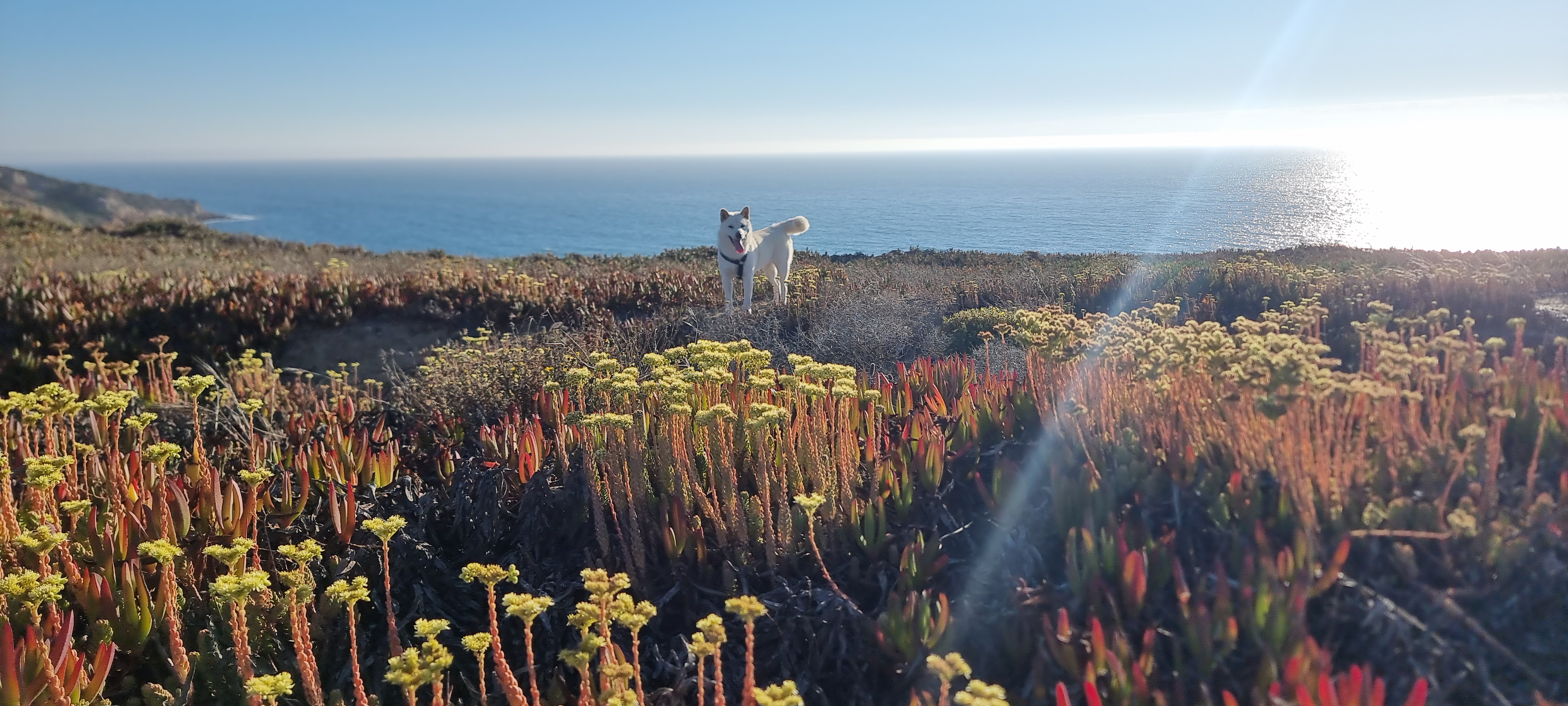
For me, having a choice of walking trails is one of the luxuries of where I live.
Which version of Portuguese weather are you buying?
Portugal does not have one climate. It barely has one climate within a 30-minute drive.
I’ve already confessed that I didn’t come to Portugal for the weather. Coming from South Africa, my expectations of what constituted “good weather” were probably slightly unfair to begin with. What I hadn’t appreciated was just how local the weather can be here.
During a recent heatwave, it was 45°C in Lisbon. I drove home and it was 35°C. Ten degrees. Same afternoon. That is quite a difference when you are choosing where you actually want to live.
Around Lisbon and the Setúbal Peninsula, small changes in geography can make a surprisingly big difference. Arrábida creates sheltered pockets. Sesimbra can feel very different from the more exposed west coast. Drive towards the Atlantic and suddenly the wind matters more. Sintra, meanwhile, often seems to have negotiated a separate arrangement with the weather entirely.
So when someone tells you that a place has “the same climate as Lisbon”, I’d want to know a little more. How exposed is it? How windy? Does fog roll in? How humid does it get in winter? Which direction does the house face? Is it tucked into a sheltered valley or sitting on an exposed ridge?
Wind matters. Humidity matters. Orientation matters. So does elevation.
And property listings rarely tell you any of this. Two houses ten minutes apart can feel completely different because one gets afternoon sun, one catches the prevailing wind and one spends part of winter sitting in the damp side of a hill.
I would now visit somewhere I was seriously considering in more than one season if at all possible. Not because January reveals some horrible truth that July was concealing. Simply because January is also part of the place you are choosing. And winter here has one enormous advantage I never expected to appreciate quite so much: it is green.
Coming from Johannesburg, where winter is cold, dry and brown, this still feels like a small miracle to me. There, winter can look as bleak as it feels. Here, the rain turns everything vivid. The hills go green. The fields come back to life. Even on a cold grey day, there is something outside doing its best impression of spring.
I love that.
It gives you something to marvel at when the weather is miserable. So no, winter is not automatically the season you need to “put up with”. Sometimes the winter version is wonderful.
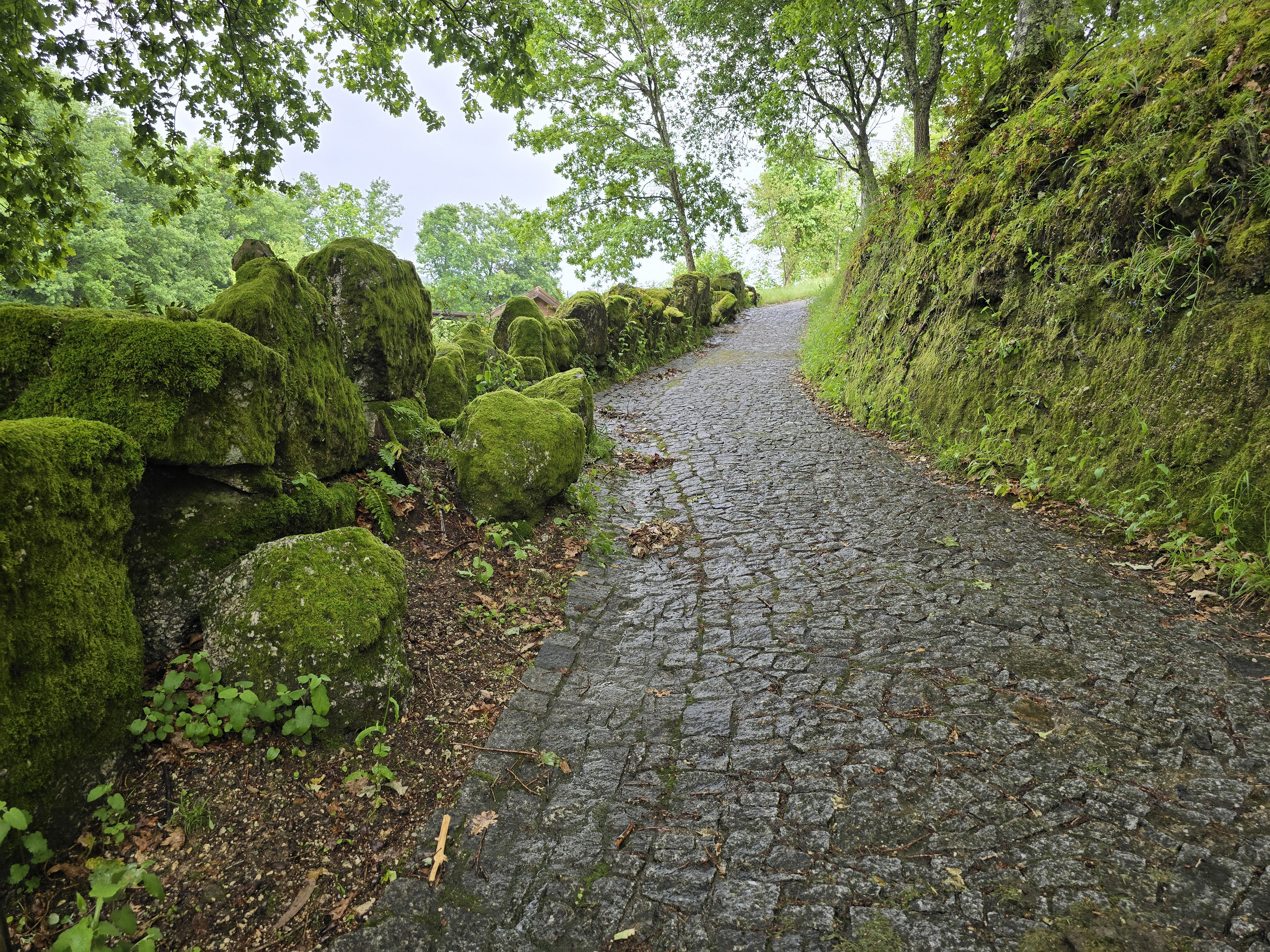
One of my favourite surprises about Portuguese winters: everything turns green.
Your Local Council Can Change How a Place Feels
The weather can change surprisingly quickly in Portugal.
Sometimes the local council changes even faster.
Cross from one municipality into another and you can suddenly find better pavements, different rubbish collection, beautifully maintained roundabouts, more parks, newer sports facilities or cycle lanes that mysteriously stop at the council boundary.This is something I barely thought about before living in Portugal.
Now I notice it everywhere.
Your Câmara Municipal, essentially your local council or municipality, has an enormous influence on what daily life around your house actually looks like. Not in some abstract administrative way. In the things you see and use every day.
Roads. Pavements. Rubbish and recycling. Parks. Landscaping. Street lighting. Beaches. Public toilets. Sports facilities. Cycle lanes. Waterfronts. Public spaces.
Two places can have similar property prices, similar geography and be only a few kilometres apart, yet feel surprisingly different simply because they are being managed by different municipalities.I wouldn’t try to rank Câmaras as “good” or “bad”. There are too many moving parts for that.
But I would absolutely pay attention.
Walk around the ordinary residential streets, not just the historic centre. Look at the pavements. Look at the bins. Look at the parks. See whether public spaces feel cared for. Look at what the municipality provides for the things you actually use.
Because when you buy a house, you are also buying into whatever is happening outside the front gate.
How much inconvenience are you prepared to exchange for charm or price?
This may be the biggest question of all.
We tend to talk about charm and affordability as though they come without consequences. They usually don’t.
The gorgeous old fishing town may give you winding streets, cafés, sea views and houses with character. It may also give you stairs, parking problems, older buildings and limited supermarkets.
The cheaper house further out may give you space, a garden and considerably more property for your money. It may also mean driving for groceries, dinner, the gym, the doctor and almost everything else. Then there is the modern suburb, which may give you an underground garage, a lift, a large supermarket, a gym, a hospital and a beautifully boring access road. It may cause absolutely no romantic feelings whatsoever. None of these is automatically a bad trade.
I used to think these were arguments for or against a location. Now I think they are simply trade-offs.
Charm has a price. So does convenience. So does space. So does isolation. So does being able to walk to dinner.
The trick is not avoiding compromises. It is knowing which trade you are making, and working out which compromises will annoy you every day and which ones you will barely notice.
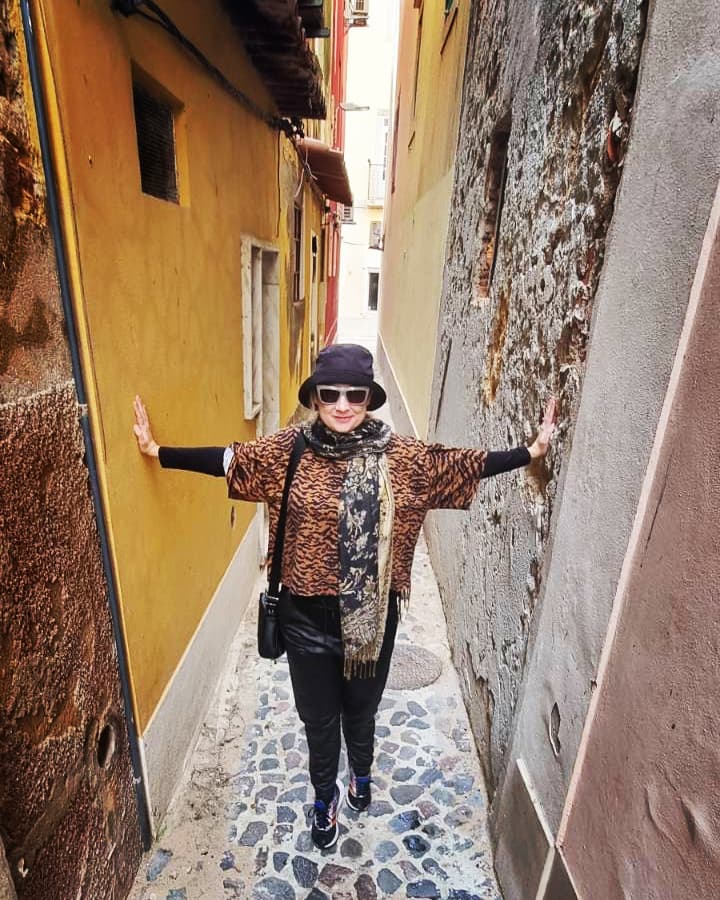
Charm comes in many forms. Occasionally you can touch both sides at once.
And then there is the property itself
Property obviously matters.
But I would put it later in the process than many buyers do.
Because the danger is finding a house you love and then allowing the house to answer all the questions about the location. A detached house with a pool outside town offers a completely different lifestyle from an apartment in the centre, even if the two properties are technically in the same municipality.
So ask what sort of housing dominates. Are you looking at old apartments without lifts? New developments? Villas requiring ongoing maintenance? Condominiums with pools? Properties exposed to salt air? Historic buildings? Urbanisations where you will drive for almost everything?
And be careful with €/m² comparisons. Two nearby markets can look expensive or cheap relative to each other because they are selling completely different things. A sea-view apartment with a lift and garage is not the same product as a larger inland house on a plot. The spreadsheet may insist on comparing them.
Your life probably shouldn’t.
Don't score it, find your non-negotiables
By this point, I don’t think you need a scorecard.
You probably need to work out which inconveniences you are going to notice every single day.
Maybe you won’t care that the nearest supermarket is 20 minutes away, but you will care deeply that there is nowhere to walk after dinner.
Maybe you don’t need restaurants at all, but being an hour from specialist healthcare would bother you.
Maybe the lack of public transport is irrelevant because you love driving. Maybe one badly designed junction will irritate you for the next ten years.
That is the part nobody can really answer for you. The useful question is not whether a place has everything. It is whether the things it doesn’t have are things you are actually going to miss. Then go into the conclusion.
The place that fits is probably not the place that wins
I still love looking at property.
Give me a floorplan and an Idealista tab and I can lose an unreasonable amount of time. But after living in Portugal for a few years, I think choosing the house is actually the easier part.
The harder part is understanding what surrounds it.
The supermarket you will visit 100 times. The road you will drive every day.The restaurant you wish existed. The hill you will eventually become tired of climbing. The doctor you need unexpectedly. The beach you discover you don’t actually enjoy using.
And also the things you didn’t know would matter so much until you had them. The quiet. The space. The bakery. The trail behind the house. The neighbour who knows your dog. The fact that you can walk to dinner. The fact that you can’t.
There is no best place to live in Portugal.
There is only a set of compromises that happens to fit your life particularly well.
People fall in love with a place and then, months later, discover whether it loves them back on an ordinary weekday. The whole trick of choosing well is to run that test forwards instead of backwards. Fall for the tiled square and the orange tree by all means. I did. Just make sure you have also stood in it in the rain, in February, mentally doing the shopping.
Hi, I’m Moira
I moved to Portugal from South Africa in 2020, and somewhere along the way I became slightly obsessed with the difference between visiting a place, buying property there and actually living there.
Portugal Horizon is where I write about the things I wish I’d known earlier: property, healthcare, language, bureaucracy, choosing where to live and all the small everyday details that rarely make it into the brochures.
I’m not a relocation consultant, lawyer or tax adviser. I’m just someone who has bought property here, rented it out, lived in a few different versions of Portugal and learned that the useful questions are not always the obvious ones.
And I’m still learning.
If you’re trying to work out where in Portugal might suit you, feel free to get in touch. I may not know the answer, but I probably know what I’d ask.